
Abstract
Cortical atrophy underlies a wide variety of brain diseases including depression, post-traumatic stress disorder, and substance use disorder. Recently, our group discovered that psychedelics and related molecules, such as DMT, LSD, and MDMA, rapidly promote the growth of cortical neurons, providing a potential explanation for their long-lasting therapeutic effects after a single dose. However, these first-generation compounds suffer from one or more issues that limit their clinical scalability including hallucinogenic effects, cardiotoxicity, and psychostimulant properties. I will discuss the development of chemical and molecular tools for studying the mechanism(s) of action of psychedelics as well as our efforts to engineer non-hallucinogenic analogs of these compounds that produce similar sustained therapeutic behavioral effects after a single administration. Understanding the fundamental biochemical mechanisms that give rise to compound-induced neuroplasticity will be essential for developing safer and more effective neurotherapeutics for a variety of brain disorders.
Bio
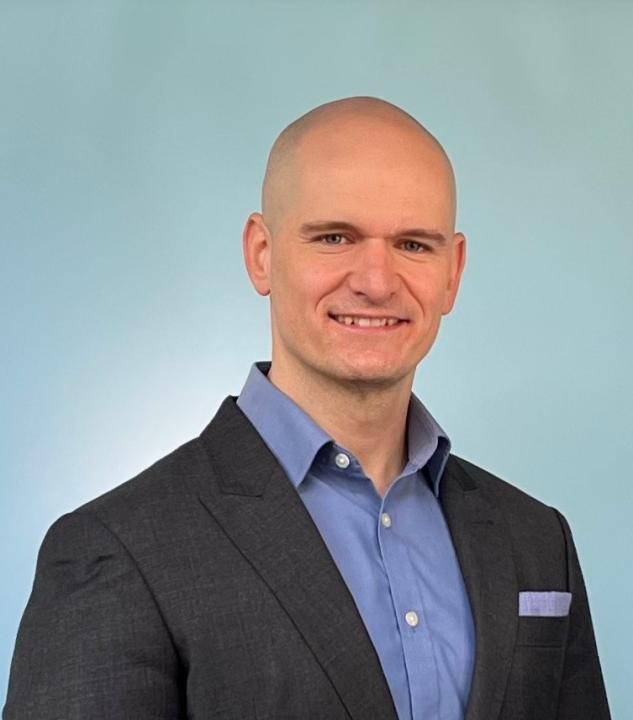
Professor David E. Olson studied chemistry and neuroscience at Stanford University and the Stanley Center for Psychiatric Research at the Broad Institute of MIT and Harvard. His academic lab at the University of California, Davis discovered that psychedelics promote structural and functional neuroplasticity in the cortex. They coined the term “psychoplastogen” to describe small molecules that produce rapid and long-lasting psychedelic- and ketamine-like effects on neuronal structure after a single dose, and they invented the first non-hallucinogenic psychoplastogens capable of producing sustained therapeutic effects in preclinical models after a single dose. Professor Olson's expertise spans central nervous system medicinal chemistry, molecular/cellular neurobiology, and behavioral neuropharmacology. He is an associate editor at ACS Chemical Neuroscience and has received numerous awards including the Jordi Folch-Pi Award from the American Society for Neurochemistry, the Sigma Xi Young Investigator Award, the Life Young Investigator Award, Sacramento Business Journal's 40 Under 40, among many others. He is the founding director of the UC Davis Institute for Psychedelics and Neurotherapeutics and is a co-founder and the Chief Innovation Officer of Delix Therapeutics.
Key Publications
https://www.sciencedirect.com/science/article/pii/S0092867421003743
https://www.nature.com/articles/s41586-020-3008-z
https://www.cell.com/cell-reports/pdf/S2211-1247(18)30755-1.pdf